7 Examples of Highly Effective Innovation Management Workflows12 min read

Great ideas can feel random.
But turning them into successful products, services, or improvements is not. True innovation relies on a repeatable system that guides ideas from a simple concept to a real-world impact.
Without a structured process, good ideas get lost, resources are wasted, and progress stalls.
An innovation workflow provides a clear, predictable path. It’s a map that helps teams generate, evaluate, and implement new concepts effectively.
Let’s take a look at different models that can help you find the right approach to bring structure and success to your own creative efforts.
1. The Innovation Funnel (From Many Ideas to a Few Winners)
The innovation funnel is a straightforward model for managing a high volume of ideas.
It works by starting with a wide pool of concepts at the top and systematically filtering them through stages of review.
This process ensures that only the most promising ideas receive significant investment, making resource allocation more efficient and predictable.
How It Works
The funnel moves ideas through a sequence of phases, with fewer ideas advancing at each step:
- Idea generation: Collect a large quantity of ideas from many sources (employees, customers, and market research)
- Screening: Conduct an initial review to weed out ideas that don’t align with business goals
- Concept development: Flesh out the surviving ideas with more detail, including a basic business case
- Prototyping and testing: Build simple versions or models to test assumptions with real users
- Commercialization: Launch the fully vetted innovations into the market
The primary goal is to manage a large volume of raw ideas without getting overwhelmed.
It imposes structure on the creative process, ensuring that effort is focused on concepts that have passed specific checkpoints.
This systematic reduction prevents teams from wasting significant resources on weak ideas.
As concepts move down the funnel, they receive more attention and funding, which optimizes the return on innovation investment.
Real-World Example: KICKBOX
Intrapreneurship programs like KICKBOX give employees a structured way to act like startup founders.
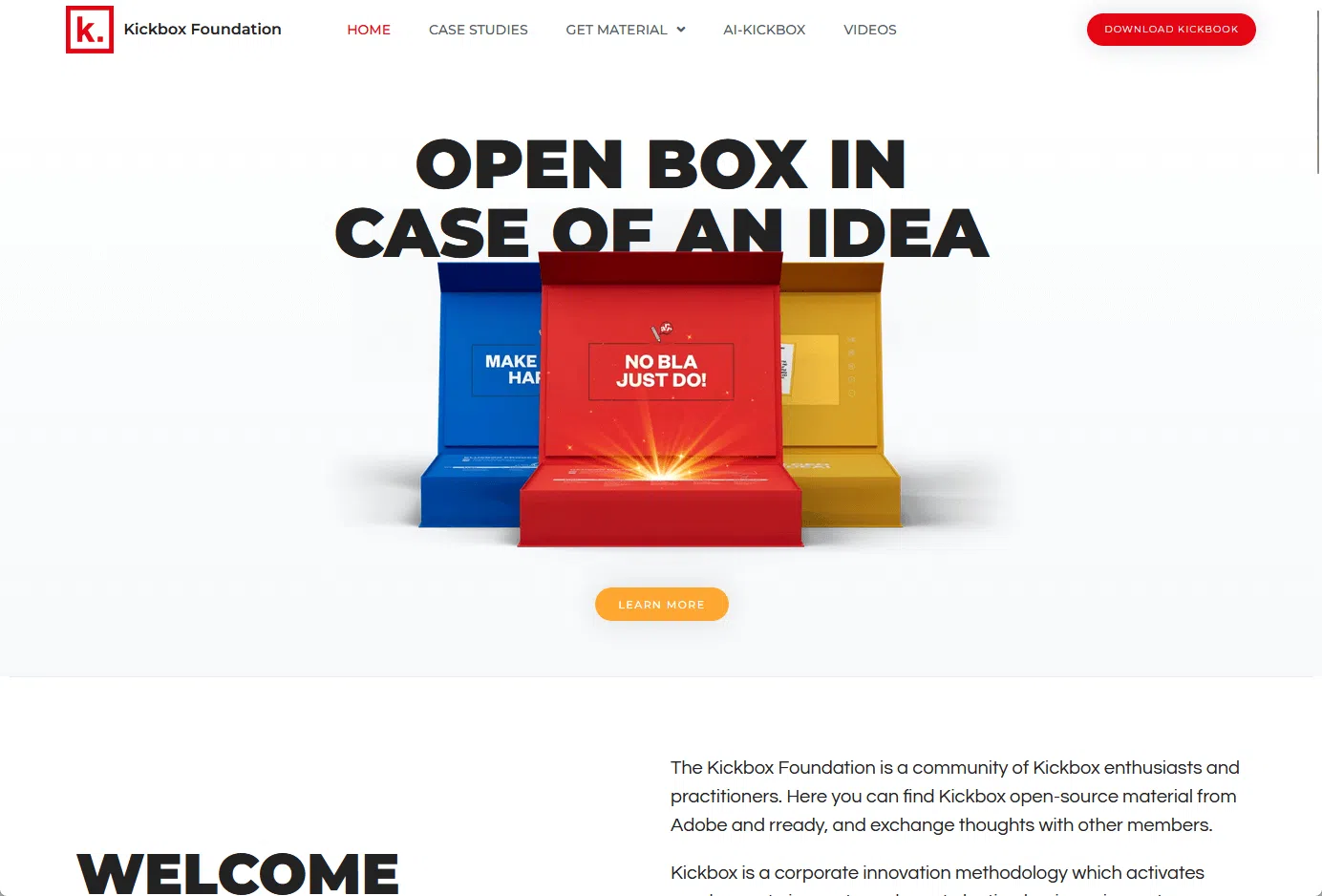
The process mirrors the funnel, starting with a “RedBox” phase for low-cost idea validation.
Successful projects then move to a “BlueBox” phase, where they receive a larger budget and more resources to build a proof-of-concept, preparing them for a full launch.
Pros and Cons
This model is excellent for managing a steady stream of incremental improvements in large organizations.
However, its linear nature can be a drawback.
A rigid funnel might accidentally filter out unconventional but potentially groundbreaking ideas that don’t fit the initial screening criteria.
2. The Stage-Gate® Process (Managing Risk with Milestones)
The Stage-Gate process is a risk management framework designed for complex and costly projects.

Its main goal is to reduce uncertainty by breaking down a project into distinct stages separated by decision points, or “gates.”
This allows leaders to make informed investment choices based on fresh information at every step, preventing costly failures down the line.
How It Works
The workflow alternates between stages of work and gate meetings.
- Stages: In each stage (e.g., scoping, business case, development), a project team gathers specific information and completes a set of tasks.
- Gates: At each gate, a management team reviews the results against clear, pre-defined criteria.
They then make one of four decisions: Go (proceed), Kill (terminate), Hold (pause), or Recycle (send back for more work).
This structured approach provides clear visibility into the innovation pipeline for leadership.
It turns innovation from an unpredictable art into a manageable business process with clear accountability.
The “kill” decision is considered a positive outcome, as it saves the company from making a bad investment. This ensures resources target high-success projects.
Real-World Example: Procter & Gamble
Consumer goods giant P&G uses its own version of Stage-Gate, called SIMPL, to guide new products to market.
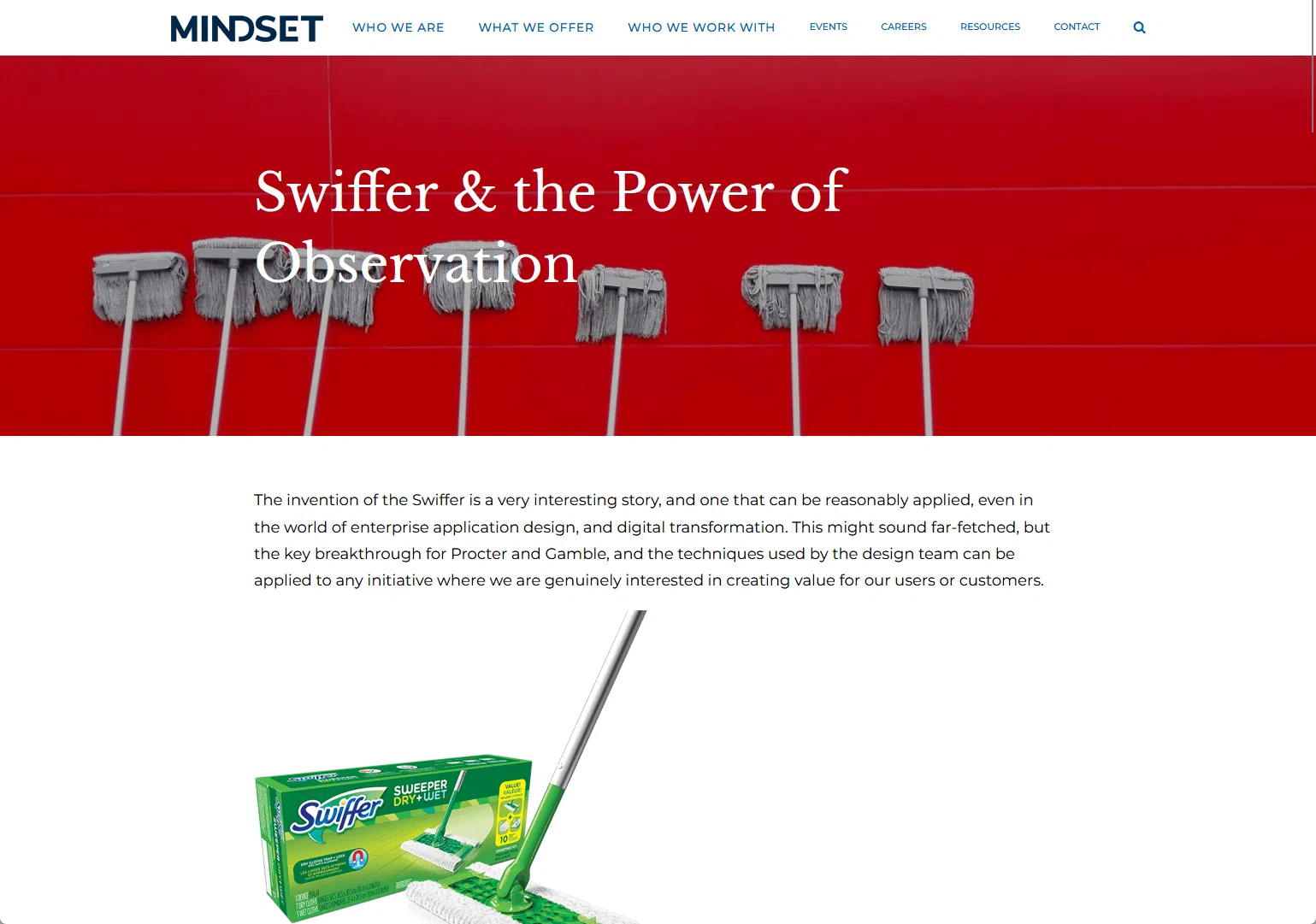
This disciplined approach was key to the success of blockbusters like the Swiffer.
P&G ensured the product was ready for a successful launch by thoroughly evaluating the concept, business case, and market strategy at each gate.
Pros and Cons
This framework is ideal for capital-intensive industries like manufacturing or pharmaceuticals, where managing financial risk is critical.
On the downside, if implemented too rigidly, the Stage-Gate process can become slow, bureaucratic, and may stifle the creativity needed for faster-moving projects.
3. The Lean Startup (Build-Measure-Learn)
The Lean Startup methodology is designed to navigate high uncertainty by focusing on learning over planning.

It aims to eliminate the biggest source of waste: building something nobody wants.
The process is driven by “validated learning”, which is a scientific approach to systematically testing every assumption behind a business idea with real-world data.
How It Works
The engine of the Lean Startup is a rapid feedback loop:
- Build: Quickly create a minimum viable product (MVP), which the simplest possible version of an idea that can be used to test a key assumption.
- Measure: Release the MVP to early users and collect data on their actual behavior.
- Learn: Analyze the data to decide whether to persevere (continue iterating) or pivot (make a fundamental change to the strategy).
This loop is designed to be completed as quickly as possible to accelerate learning. The goal is to find a sustainable business model before the startup runs out of resources.
Unlike traditional development, this process prioritizes customer feedback over internal assumptions.
It forces teams to confront market realities early and often, drastically reducing the risk of building a product nobody will use.
Real-World Example: Dropbox
Before building its complex file-syncing service, Dropbox tested its core assumption that people wanted it.

The MVP wasn’t software, but a simple explainer video showing how the product would work.
The video drove tens of thousands of sign-ups overnight, validating the market demand and securing the confidence needed to build the full product.
Pros and Cons
This method is extremely fast and capital-efficient, making it perfect for startups and new digital products.
However, it’s less applicable in industries where an MVP is extremely expensive or impossible to build, such as aerospace or heavy manufacturing.
Make innovation decisions clearer and faster
Use practical stage gates, scorecards, roles and governance routines to move the right opportunities forward with confidence.
4. Design Thinking (People-Centric Approach)
Design Thinking is a problem-solving process that puts human needs first.

It begins with developing deep empathy for end-users to uncover their real challenges and unarticulated needs.
This focus ensures that the final solution is not just technologically feasible and commercially viable, but also genuinely meaningful to the people it serves.
How It Works
The process moves through five iterative, non-linear phases:
- Empathize: Observe and engage with users to understand their experiences and motivations
- Define: Analyze the findings to construct a clear, human-centered problem statement
- Ideate: Brainstorm a wide range of creative solutions without judgment
- Prototype: Build inexpensive, scaled-down versions of the solutions to test
- Test: Share prototypes with users to gather feedback and refine the solution
The process is intentionally non-linear, allowing teams to circle back to earlier phases as they learn.
For example, testing a prototype might reveal a deeper user need, prompting the team to redefine the problem statement.
It’s about focusing on the problem, not the solution. Understanding user context and pain points reveals innovation opportunities competitors overlook.
Real-World Example: GE Healthcare’s MRI
After learning that children were often terrified of MRI scans, designers used design thinking to reframe the problem from “build a better machine” to “create a better experience.”
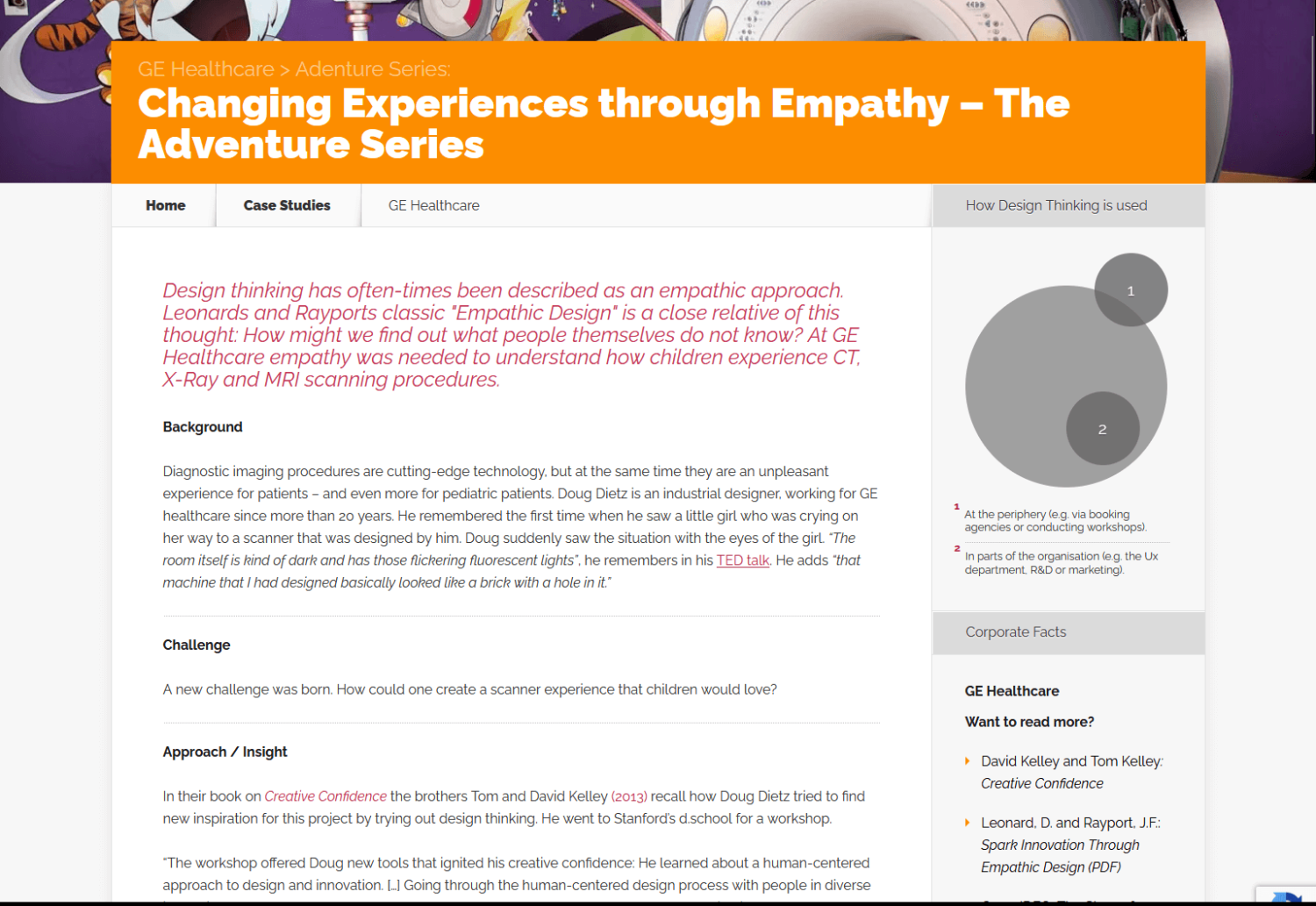
They created the “Adventure Series” to transform the MRI suite into a pirate ship or spaceship, dramatically reducing the need for sedation and improved patient satisfaction.
Pros and Cons
Design Thinking is incredibly effective for solving ambiguous, human-centered challenges, especially in service and experience design.
Its qualitative, “fuzzy” front end can be a challenge in cultures that demand hard quantitative data from the very start.
5. Agile Innovation (Delivering Value Faster Through Sprints)
Agile is an iterative approach to project management that values flexibility, collaboration, and speed over rigid planning.
It accepts that requirements will change and focuses on delivering functional pieces of a product in small, frequent increments.
This allows teams to get continuous feedback and adapt quickly to new information or market shifts.
How It Works
The most popular Agile framework is Scrum, which organizes work into short cycles.
- Sprints: Work is done in time-boxed periods, usually 1-4 weeks long, with the goal of producing a potentially shippable product increment.
- Roles: Key roles include a product owner (defines the work), a scrum master (facilitates the process), and the development team (builds the product).
- Ceremonies: Regular events like the daily scrum keep the team aligned and moving forward.
This framework grants the team autonomy and accountability, enabling self-organization and rapid decision-making without multiple management approvals.
The regular delivery of working software keeps stakeholders engaged and provides frequent opportunities for course correction.
This continuous feedback loop ensures the final product is much closer to what the customer actually needs.
Real-World Example: ING
To compete with nimble fintech startups, the banking giant ING reorganized much of its workforce using Agile principles inspired by Spotify.
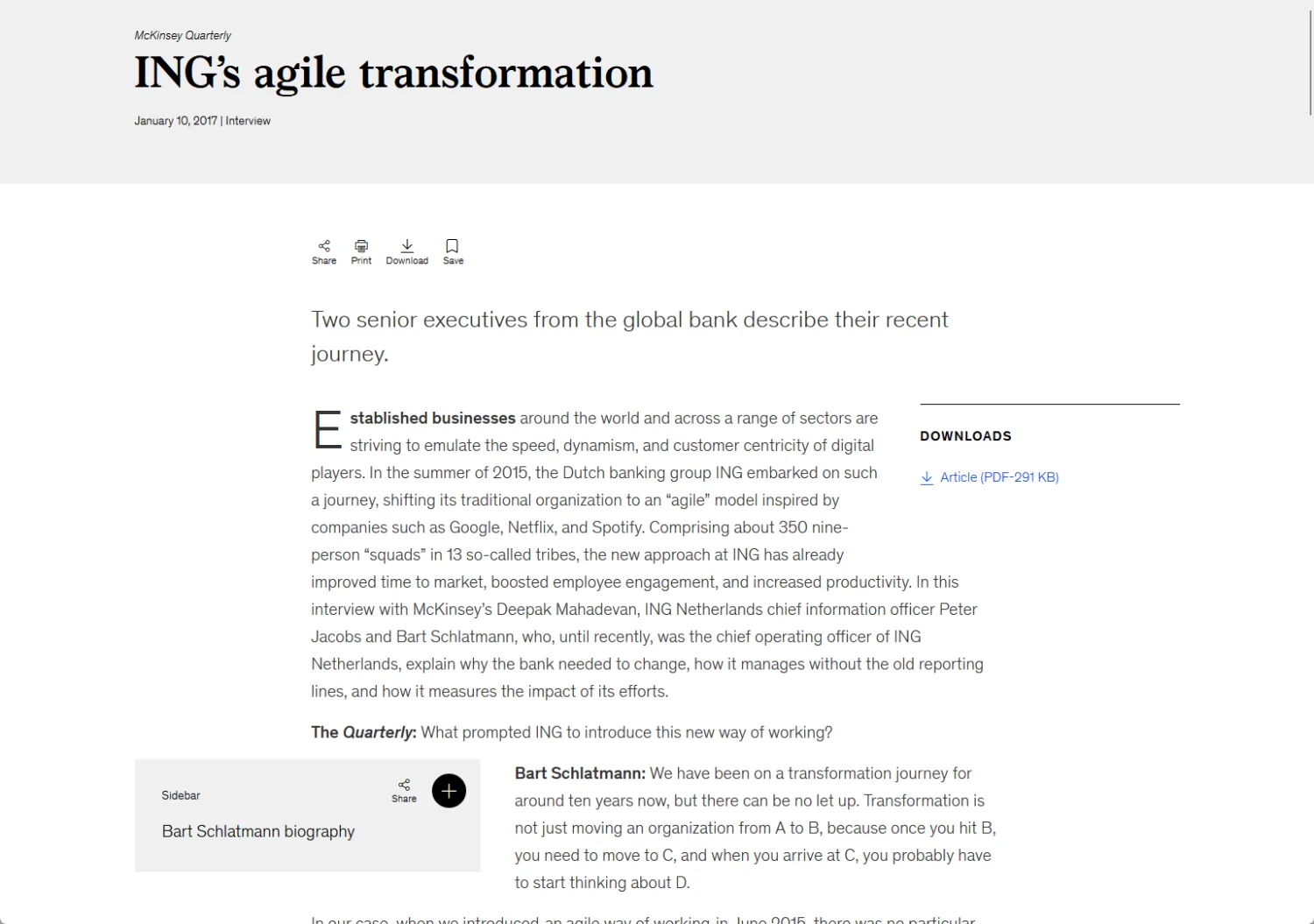
The bank replaced departments with autonomous, cross-functional “Squads” and “Tribes,” accelerating product launch and fostering a client-focused culture.
Pros and Cons
Agile is highly adaptive and can lead to faster delivery, improved customer satisfaction, and better team morale.
The biggest challenge is implementation, as it requires a significant cultural shift toward trust and decentralized decision-making in traditionally hierarchical organizations.
6. Open Innovation (Looking Outside for Better Ideas)
Open innovation is based on the idea that valuable knowledge exists both inside and outside a company.
Instead of relying solely on internal R&D, organizations can and should use external ideas, technologies, and talent to advance their goals.
It’s about making the company’s boundaries more permeable to let knowledge flow in and out.
How It Works
This approach can take several forms:
- Inbound: Sourcing external solutions through crowdsourcing platforms, university partnerships, or technology scouting.
- Outbound: Generating value from internal ideas that don’t fit the core business by licensing patents or creating company spin-offs.
- Coupled: Co-creating new products and services through strategic alliances and joint ventures with other companies.
This strategy demands a cultural shift from the “not invented here” mindset, requiring companies to excel at identifying, evaluating, and integrating external knowledge.
Effective open innovation isn’t just about finding ideas, but about building an ecosystem.
Success depends on creating mutually beneficial relationships with a network of partners, from startups and universities to individual inventors.
Real-World Example: LEGO Ideas
The LEGO Ideas platform is a prime example of inbound open innovation.
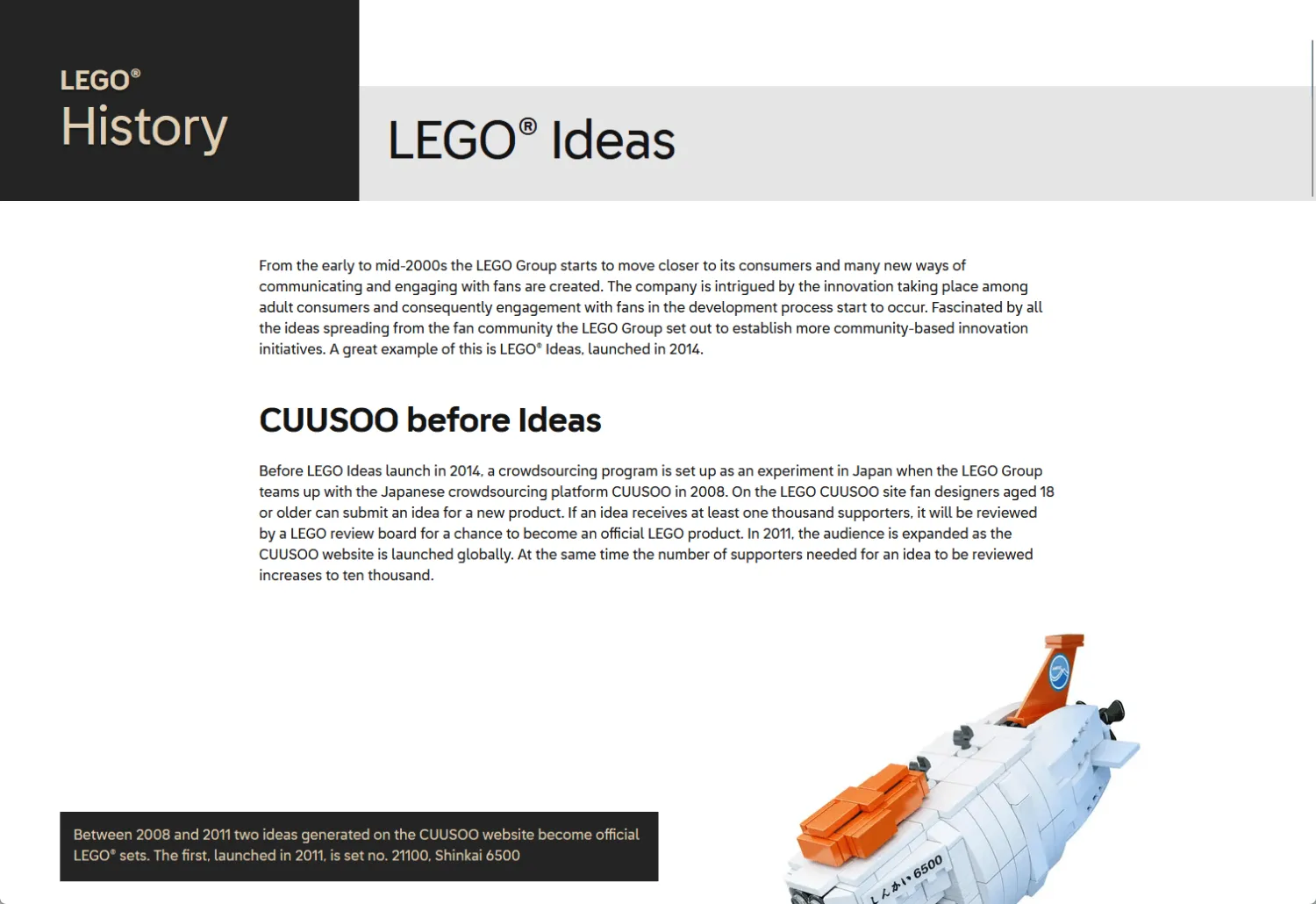
It allows fans to design, submit, and vote on new product concepts. If a design gets 10,000 votes, LEGO’s internal team reviews it for production.
This has led to many best-selling sets, effectively outsourcing market research and ideation to the brand’s most passionate fans.
Pros and Cons
This model can significantly reduce R&D costs and accelerate time-to-market.
However, it introduces risks related to intellectual property control and adds the complexity of managing a network of external relationships.
7. The Skunk Works Model (Radical Autonomy)
The Skunk Works model isn’t a step-by-step process but an organizational philosophy for achieving radical breakthroughs.
It involves creating a small, hand-picked team, giving them a high degree of autonomy, and physically isolating them from the main corporate bureaucracy.
The goal is to tackle exceptionally difficult projects with speed and focus.
How It Works
The model operates on a set of principles rather than a linear workflow. Key tenets from founder Kelly Johnson’s “14 Rules” include:
- Giving the project manager near-total control
- Keeping the team exceptionally small
- Minimizing reports and administrative overhead
- Fostering deep trust and direct communication with the customer
This radical approach works by intentionally breaking the rules of the parent corporation. It trades formal procedure and oversight for extreme speed and creative freedom.
A successful team needs talented, motivated members, driven by a challenging mission and empowered to achieve it without organizational friction.
Real-World Example: The SR-71 Blackbird
Lockheed’s legendary Skunk Works division created the SR-71 Blackbird, the fastest air-breathing aircraft ever built.
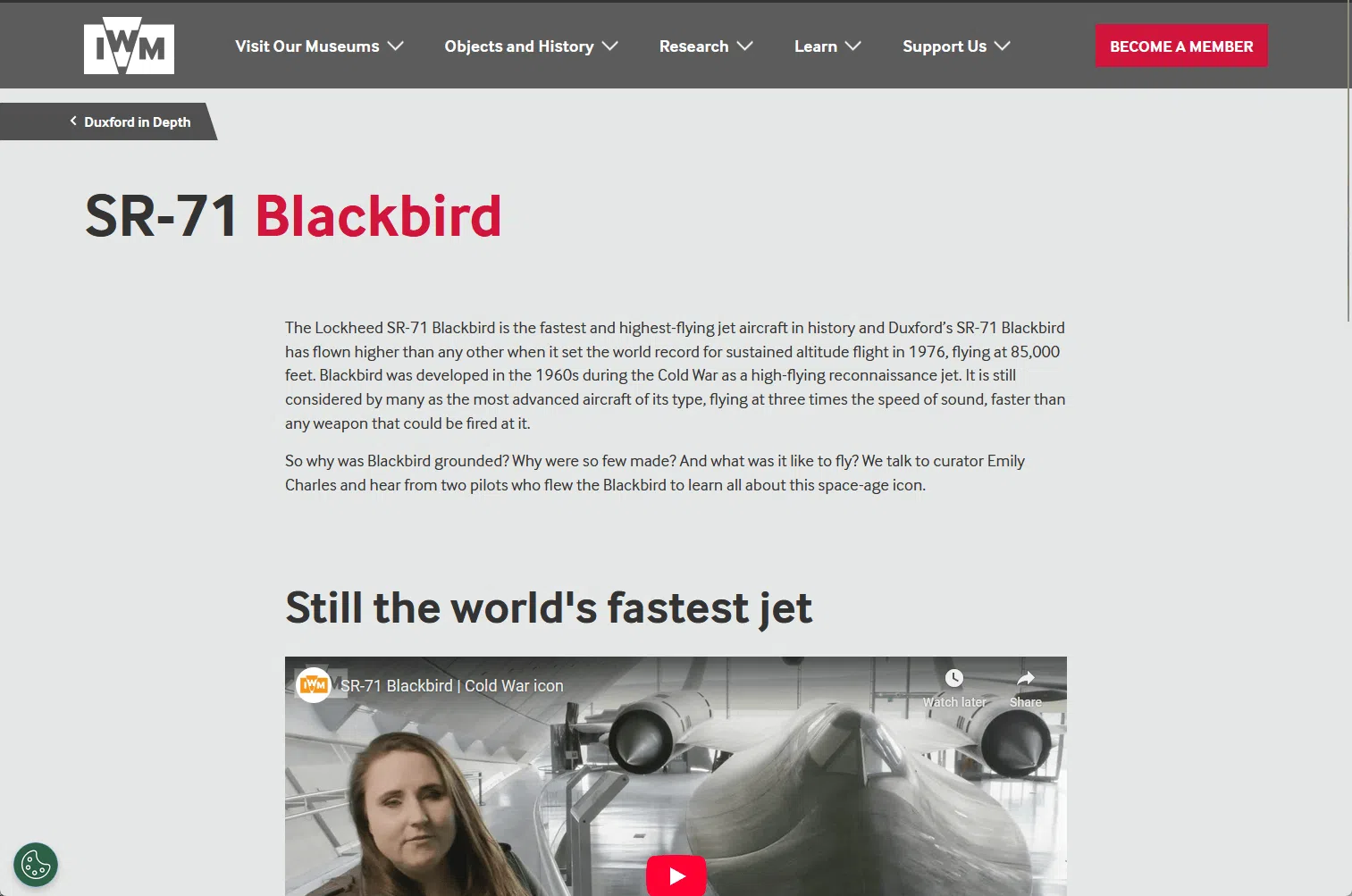
Faced with an “impossible” challenge during the Cold War, the small, empowered team invented new technologies and manufacturing processes.
That delivered a revolutionary product in record time by operating completely outside of standard corporate procedures.
Pros and Cons
This high-risk, high-reward model is unmatched for delivering game-changing innovations.
But it’s very difficult to scale and its success depends heavily on having truly exceptional and visionary talent. Failures can be just as spectacular as successes.
Which Workflow Is Right for You?
The best workflow depends on your specific goals, industry, and company culture. No single model fits every situation.
Use this table as a starting point to see how they compare:
| Workflow | Best For | Pace | Risk Profile |
|---|---|---|---|
| Innovation Funnel | Managing many incremental ideas | Slow & Structured | Low-Medium |
| Stage-Gate | Complex physical products, regulated industries | Structured & Formal | Low (Risk Mitigation) |
| Lean Startup | Startups, new digital products | Very Fast & Iterative | High (Embraces Failure) |
| Design Thinking | User experience, service design | Moderate & Flexible | Medium |
| Agile Innovation | Software, fast-changing markets | Very Fast & Adaptive | Medium |
| Open Innovation | Solving deep tech challenges, R&D | Variable | Medium-High |
| Skunk Works | “Impossible” projects, radical breakthroughs | Extremely Fast | Very High |
From Knowing ‘What’ to Mastering ‘How’
The most effective organizations rarely stick to one model, instead creating hybrid systems that fit their unique needs.
For instance, combining design thinking’s deep user empathy with the lean startup’s rapid validation is a powerful way to ensure you are building the right product, the right way.
But knowing what to do is different from knowing how to do it.
While these models provide the roadmap, many companies struggle with the practical execution:
- How do you manage hundreds of ideas?
- How do you run a disciplined stage-gate process without slowing everything down?
- How do you build a culture that supports this new way of working?
This is where a dedicated innovation management platform like Accept Mission can help.
It provides the digital infrastructure to bring these workflows to life, managing everything from idea collection and campaign management to portfolio tracking.
Centralizing the innovation process helps standardize the “how,” making it easier for teams to collaborate, for leaders to make data-driven decisions, and for a true culture of innovation to take hold.
Ultimately, workflows map the process, but tools provide the vehicle. Build a repeatable system to stop ideas from falling through the cracks.
Put the right innovation workflow into practice
Accept Mission helps innovation teams configure repeatable workflows, apply consistent decision criteria and maintain visibility from the first opportunity through execution.




 English
 Dutch
 Portuguese
 Spanish
 French
 German
 Arabic